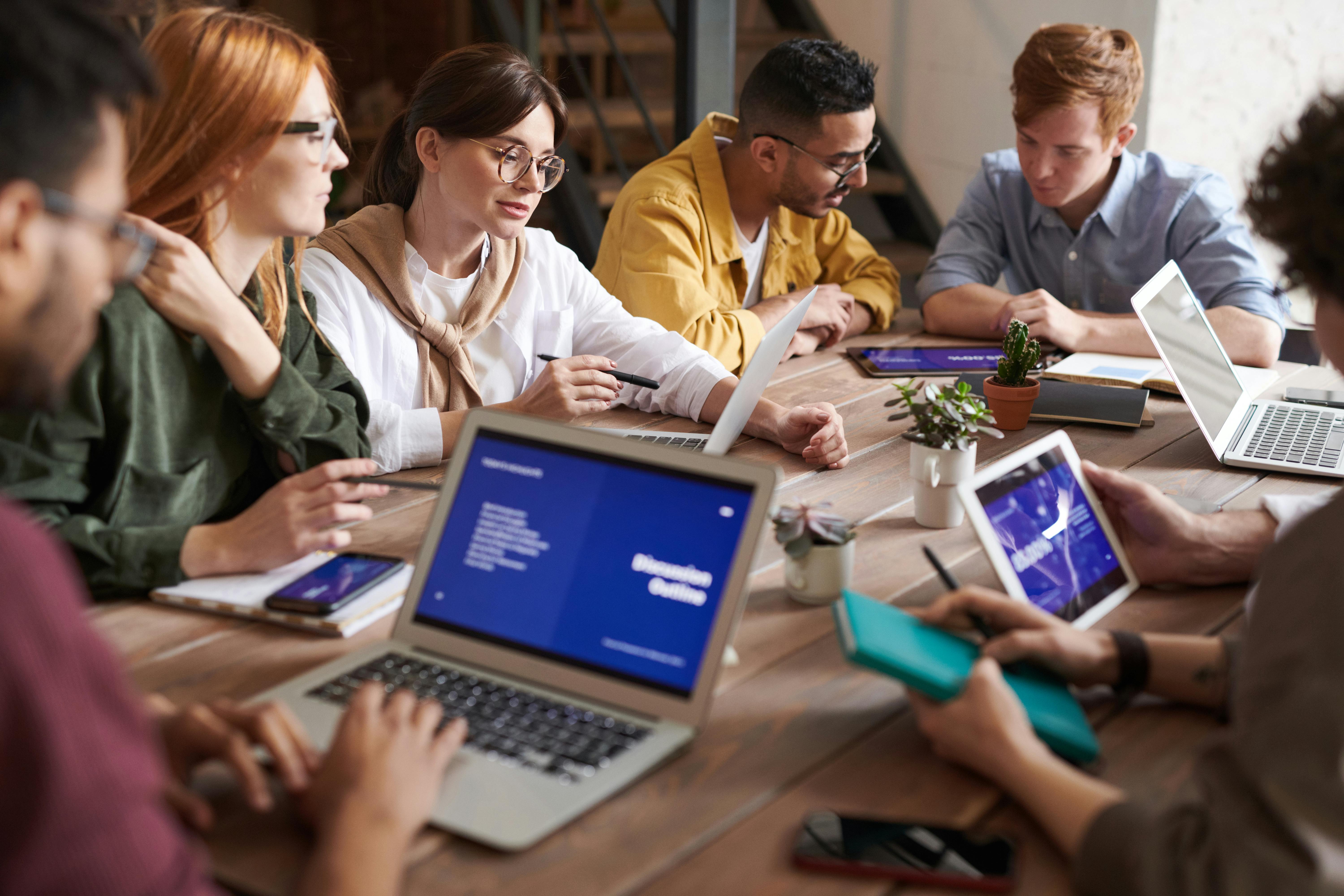
Gadgets With a Big Job: How Tablets, Laptops & Chromebooks Change Work Forever
Technology used to be a luxury in many workplaces. A computer was something you shared with the whole office, schools relied on printed worksheets, and most businesses managed inventory with pens and notebooks. Today, technology is no longer optional. It is a major part of how work gets done, whether you are teaching in a classroom, running a clinic, managing a store, or organizing an office.
In the middle of this shift, three devices have taken the lead: tablets, laptops, and Chromebooks. These gadgets might look simple, but they handle big responsibilities every day. They support communication, learning, productivity, customer service, record management, and even security. Let’s explore how these tools have changed work forever, and why choosing the right one matters more than ever.

Tablets: Small Size, Big Versatility
At first glance, a tablet looks like a lightweight version of a computer. Many people assume it is only useful for reading, browsing, or entertainment. Yet in many industries, tablets are now essential tools.
In schools, tablets help students learn interactively. They allow children to access lessons, draw, research, and practice skills at their own pace. They support personalized learning without requiring heavy equipment. In clinics and hospitals, tablets make patient check-ins faster, allow nurses to access records more quickly, and help doctors explain information visually. In retail stores, tablets have replaced bulky cash registers and allow mobile checkout from anywhere in the store.
What makes tablets powerful is not their size, but their flexibility. They can move where the work moves. They can be passed around, shared, held in hand, or mounted in one place. They fit into situations where a laptop or desktop would feel heavy, inconvenient, or unnecessary. For tasks that require speed, accessibility, and mobility, tablets do more than people expect.

Laptops: The Workhorse of Modern Productivity
Laptops are the most familiar device in both schools and workplaces, and for a good reason. They are portable, powerful, and compatible with a wide range of software. Unlike tablets, laptops are designed for heavy tasks such as writing reports, managing spreadsheets, graphic design, coding, data analysis, and large system management.
Their strength comes from processing power and multitasking. A laptop can run several programs at once, handle large files, and support advanced applications that tablets are not built to manage. They are ideal for jobs that require deeper focus, complex calculations, or content creation.
In many workplaces, laptops have replaced desktop computers because they offer the same level of power but with mobility. Employees can work from home, travel, join meetings, and continue projects without being tied to a desk. Laptops make modern work flexible. They support the shift from traditional offices to hybrid and remote setups. They empower productivity from any location.
Chromebooks: Simple, Secure, and Cost-Effective
Chromebooks are often misunderstood. Some people think they are just cheap laptops or limited devices. However, Chromebooks are intentionally simple, and that simplicity is their advantage. Unlike traditional computers, Chromebooks are built to work through the cloud. They rely less on internal storage and more on online tools, real-time collaboration, and automatic updates.
In schools, Chromebooks have become one of the most used student devices because they are affordable, secure, and easy to manage. Teachers do not need to install complicated software, and students do not need to worry about losing files because most work is saved automatically in the cloud.
In business settings, Chromebooks are useful for tasks like customer service, administrative work, form processing, communication, and online tools. They reduce the risk of malware, limit unnecessary software, and cost less to maintain. Chromebooks are not built to do everything. They are built to do everyday tasks efficiently, and that is exactly what many workplaces need.
Choosing the Right Device Matters More Than Having the Latest One
Many organizations make the mistake of buying devices based only on price or brand. The smartest approach is to match the device to the type of work being done. A tablet may work better than a laptop for a nurse who needs to walk room to room. A Chromebook may be the perfect choice for a student who needs simplicity, focus, and security. A laptop may be essential for someone managing heavy data, design, or advanced tools.
The goal is not to get the most expensive gadget. The goal is to choose the device that supports productivity without causing delays, distractions, or extra costs.
How These Devices Shape the Future of Work
These three gadgets have changed work forever because they support a new style of productivity. They help teams work from anywhere, share information easily, store data safely, and complete tasks faster than traditional systems allow. Instead of relying on paperwork and fixed workstations, workplaces now operate with mobility, flexibility, and real-time access to information.
This shift affects how we learn, how we communicate, how we manage projects, and how we serve customers. Work no longer depends on location. It depends on the tools we use. Tablets, laptops, and Chromebooks make everyday work smoother, more accessible, and more secure. The future of work is not based on bigger technology, but smarter technology that fits our needs.
Final Thought
These gadgets may look ordinary, but they carry big responsibilities in today’s world. They keep workplaces running efficiently, support modern learning, protect information, and make daily tasks easier. Work has changed, and so have the tools that support it. Tablets provide mobility. Laptops deliver power. Chromebooks ensure simplicity and security. Together, they help workplaces and schools grow, adapt, and succeed in a fast-changing digital environment.
