
How the Right Devices Can Transform Teaching and Learning
Technology has become a big part of everyday life, but in education, it does more than just make things convenient — it opens doors. When schools choose the right devices for their teachers and students, learning becomes smoother, classrooms become more exciting, and teachers gain tools that make their work easier instead of harder. The goal isn’t to fill classrooms with random gadgets. It’s to choose technology that actually helps learning happen.
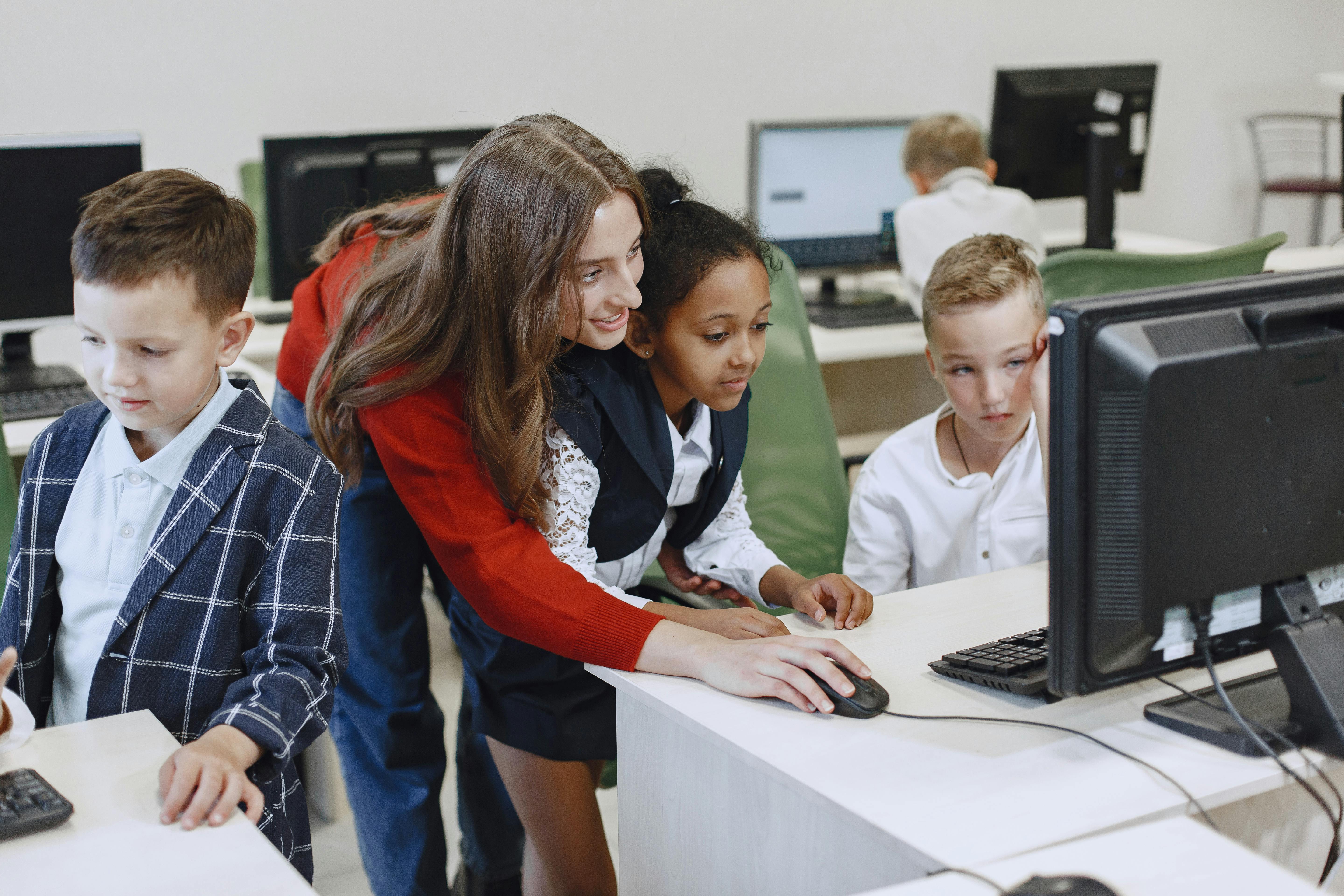
Here’s how the right devices can completely transform teaching and learning inside any modern classroom.
1. Better Access Means Better Learning
The first big benefit of the right devices is simple: students get better access to information.
Instead of waiting for limited computer lab schedules, the right classroom devices give students the ability to research, explore, read, and create whenever they need to. Flexible access helps students who learn at different speeds — fast learners can move ahead, while those who need more time can go at their own pace without feeling left behind.
For teachers, this also means they can share lessons, videos, worksheets, and resources instantly. A task that used to take hours — photocopying, printing, distributing — becomes a few clicks.
When students have proper tools in their hands, learning stops being restricted to textbooks and becomes a living, evolving experience.
2. Learning Becomes More Engaging and Hands-On
Let’s be honest — attention spans are shorter today. But when classes are interactive, students stay curious.
With modern devices such as Chromebooks, tablets, and laptops, teachers can bring lessons to life through:
Interactive exercises
Educational apps
Simulations and virtual labs
Collaborative documents
Creative tools like drawing and video editing apps
A lesson about space becomes a virtual journey. A math problem becomes a puzzle. A history class becomes a story through images, videos, and timelines.
Technology doesn't replace good teaching — it gives teachers more ways to make lessons stick.
3. Supporting Every Type of Learner
Every student learns differently. Some are visual learners. Some like to listen. Some need hands-on practice. Some benefit from repetition.
The right devices help schools support all learning styles at once. For example:
Visual learners get diagrams, videos, and digital whiteboards.
Auditory learners get podcasts, recorded explanations, and read-aloud tools.
Kinesthetic learners get interactive exercises and drag-and-drop activities.
Students with learning challenges get assistive tools like speech-to-text, enlarged text, and translation features.
This makes education more inclusive, giving every student a fair chance to succeed. No one gets left behind because the lesson didn’t fit their style.
4. Teachers Save Time and Reduce Stress
Teachers already juggle a lot — planning lessons, grading, supervising, handling admin tasks, communicating with parents, and much more. The right devices and platforms simplify these tasks so they can focus on what matters: teaching.
With the right tech setup, teachers can:
Grade assignments digitally
Share lessons instantly
Track student progress automatically
Receive student work in real time
Reduce paperwork and printing
Communicate quickly with students and parents
Instead of losing hours to repetitive tasks, teachers get more time for creativity, planning, and connecting with their students.
5. Better Collaboration Inside and Outside the Classroom
The right devices make collaboration easier than ever before.
Students can work together without being in the same room. Teachers can check progress even when a student is absent. Group projects become smoother because everyone can edit, comment, and contribute in real time.
This is especially helpful for blended or hybrid learning setups, where students may not always be physically present but still need to be part of the learning process.
Collaboration tools also help students build teamwork skills — something they’ll need long after they leave school.
6. Preparing Students for the Real World
Technology is everywhere in today’s workplaces. By giving students modern devices and digital tools early on, schools prepare them for:
Digital literacy
Responsible online behavior
Research and problem-solving
Communication and collaboration tools
Basic tech skills they’ll need in future jobs
Students learn not just what to learn but how to learn — a skill that will help them for life.
Schools that invest in the right devices are essentially investing in future-ready students who are confident using technology in any environment.
7. Security and Safety Become Stronger
Many people worry that technology might expose students to risks. But with the right devices and managed systems, schools can actually increase safety.
Modern education devices come with:
Secure student profiles
Content filters
Privacy controls
Limited access settings
Teacher monitoring tools
Safe testing environments
Anti-theft and remote-lock features
Instead of worrying about what students might see or click, schools can stay in control.
This gives parents peace of mind and gives teachers a safer teaching environment.
8. Saving Money Through Smart Planning
Many schools think that upgrading technology is expensive. But choosing the right devices — ones built for education — can actually save money long-term.
The right tools last longer, update automatically, and need less maintenance. Many can be managed remotely, which means fewer repair visits and less downtime. When schools invest in a solid device ecosystem, everything becomes easier to run and support.
It’s not about buying the most expensive devices — it’s about choosing the right ones for the job.
Final Thoughts: The Right Devices Build Better Classrooms
Technology will never replace teachers — but teachers with the right devices can transform education in powerful ways. Learning becomes more engaging, students gain confidence, and teachers get tools that help them work smarter, not harder.
Classrooms become more interactive. Lessons become more meaningful. Students become more future-ready.
And that’s the real magic of choosing the right devices: they help everyone — teachers, students, and schools — succeed together.
